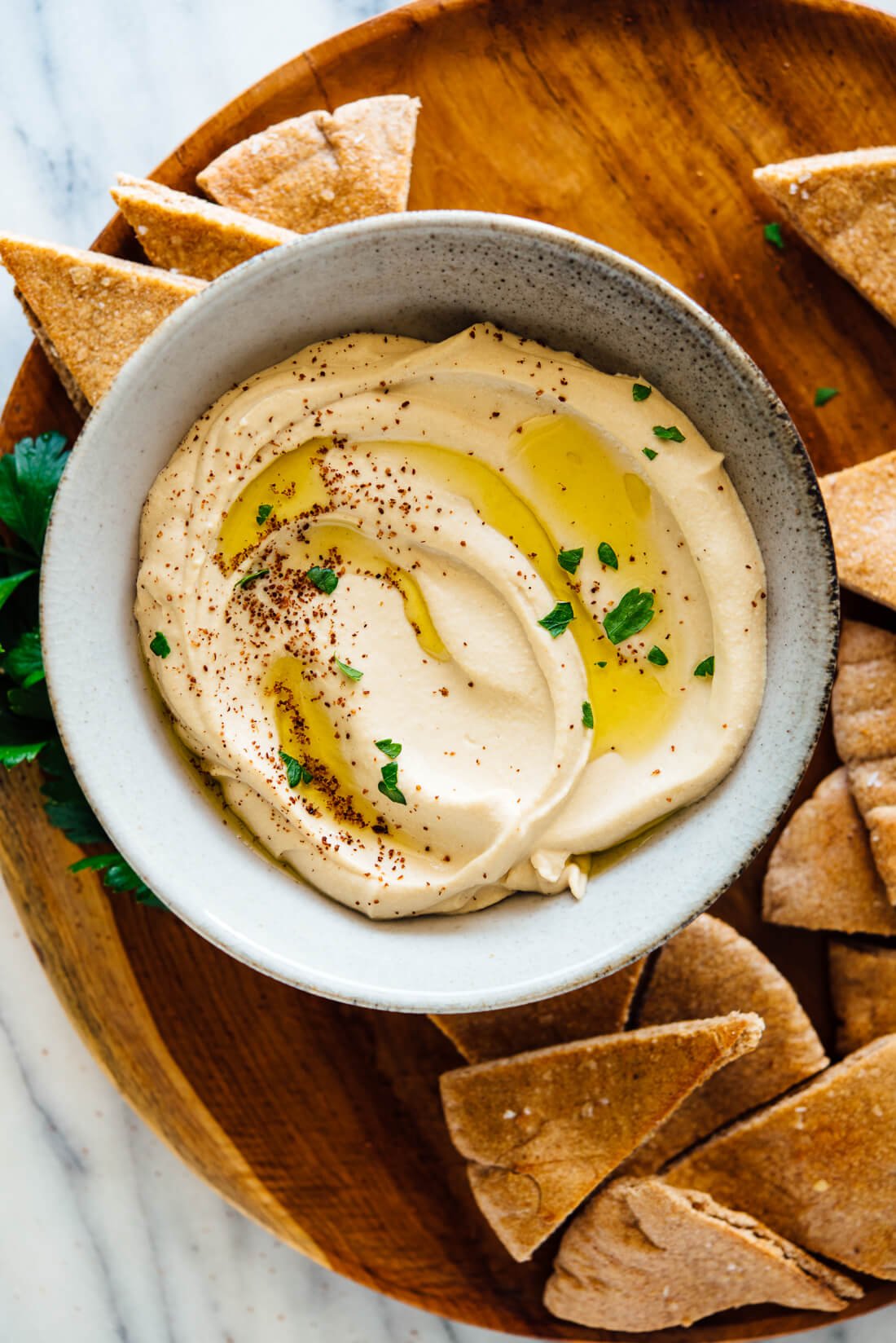
The Secret to Ultra-Creamy Hummus: Better Than Store-Bought
Imagine a hummus so lusciously smooth it practically melts on your tongue. A hummus so light and fluffy, yet rich and satisfying, with a perfect balance of tangy lemon, mellow garlic, and nutty tahini. If your hummus experiences have been limited to gritty, dense, or bland store-bought varieties, prepare to have your world (and your palate) transformed. We're diving deep into the art of crafting the best hummus recipe you'll ever taste, a homemade marvel that consistently outshines anything you can buy.
For too long, many of us have settled for "good enough" hummus. Perhaps you've tried making it at home only to be met with a disappointing, thick paste. Or maybe you've meticulously followed a recipe, only to find the texture lacking that ethereal creaminess. The good news? The secrets to achieving that coveted, ultra-smooth consistency aren't complex; they're simply overlooked. With a few crucial techniques and a dash of culinary wisdom, you'll be scooping up perfect hummus onto warm pita bread in no time.
The Game-Changer: Mushy Chickpeas and the Baking Soda Miracle
The foundation of truly exceptional hummus lies not just in the quality of your chickpeas, but in their preparation. While many recipes advocate for simply rinsing canned chickpeas, this often leads to a coarse, unyielding texture. The real secret, widely popularized by renowned Israeli chef Michael Solomonov, is to cook your chickpeas until they are incredibly tender – almost to the point of being mushy. This process breaks down their structure, allowing them to blend into a seamless, velvety base.
But who has time to soak chickpeas overnight and then boil them for hours? This is where the magic of baking soda comes in. Baking soda creates an alkaline environment that dramatically accelerates the breakdown of chickpea skins and softens their interior. Even if you're starting with canned or pre-cooked chickpeas, a quick 20-minute simmer with a pinch of baking soda will transform them. You'll visibly notice the chickpeas splitting open and becoming significantly softer, almost dissolving when pressed.
This ingenious method eliminates the tedious, often skipped step of individually peeling chickpea skins – a task few home cooks have the patience for! After their baking soda bath, a thorough rinse under cool running water is essential to remove any residual baking soda flavor and cool the chickpeas. This simple, added step is, without a doubt, the number one tip for making the best hummus recipe at home. For a detailed guide on this revolutionary technique, be sure to check out our deep dive: Homemade Hummus in 20 Mins: Mushy Chickpeas & Baking Soda.
Beyond the Chickpea: The Unsung Hero – Quality Tahini
While mushy chickpeas provide the canvas, tahini is the vibrant color and depth that truly defines hummus. Tahini, a paste made from ground sesame seeds, contributes a distinctive nutty flavor and a luxurious richness. However, not all tahini is created equal, and choosing the right one can make a monumental difference in your final product.
What to look for in great tahini:
- Light Color: High-quality tahini, especially from Ethiopian sesame seeds, tends to be lighter in color, indicating a milder, less bitter flavor. Darker tahini can sometimes be more astringent.
- Smooth Consistency: It should be pourable and smooth, not thick, pasty, or gritty straight from the jar (though natural separation is normal and requires stirring).
- Single Ingredient: The ingredient list should simply be "sesame seeds." Avoid brands with added oils or preservatives.
- Taste Test: If possible, taste it! Good tahini should be rich, slightly nutty, and not overly bitter. Halva-producing regions are often a good indicator of quality tahini.
Before adding tahini to your food processor, always give it a good stir. The oil tends to separate and rise to the top, leaving a denser paste at the bottom. Incorporating all that rich oil is crucial for achieving the creamy texture and balanced flavor that sets the best hummus recipe apart.
Mastering the Blend: Emulsification and the Magic of Ice Water
Once your chickpeas are perfectly mushy and your tahini is stirred, the blending process becomes paramount. This isn't just about combining ingredients; it's about creating an emulsion, where the fats from the tahini and olive oil integrate seamlessly with the water and lemon juice, resulting in that coveted airy and smooth texture.
Here’s a step-by-step approach to perfect blending:
- Start with Tahini and Lemon: In your food processor, combine the tahini with freshly squeezed lemon juice and a pinch of salt. Process for a minute or two until the mixture lightens in color and becomes thick and creamy. This initial emulsification is key.
- Add Garlic: Incorporate your garlic at this stage. We recommend using a single, small clove for a mellow garlic flavor that enhances rather than overpowers. For an even milder, sweeter garlic note, consider adding a clove of roasted garlic.
- Introduce Chickpeas: Add your prepared (rinsed and cooled) mushy chickpeas to the food processor. Begin blending, scraping down the sides as needed.
- The Ice Water Secret: This is where the magic happens for lightness and fluffiness. Gradually stream in ice-cold water (or even a few ice cubes) while the processor is running. The cold temperature helps to lighten the mixture, creating a wonderfully airy texture. Add water until your hummus reaches your desired consistency – typically a beautifully spreadable, yet still substantial, dip. You might be surprised by how much water it can absorb while still retaining its body.
- Final Touches: Taste and adjust seasonings. You might need more lemon juice for brightness, more salt to bring out the flavors, or a touch of ground cumin for earthy depth.
Don't be afraid to let your food processor run for a good 3-5 minutes total. The longer blending time, especially with the gradual addition of cold liquid, helps to break down any remaining tiny chickpea pieces and whip air into the mixture. If you're struggling with a gritty texture, or simply want to learn more about achieving that incredibly smooth and fluffy consistency, our article No More Gritty Hummus: Get Smooth & Fluffy With These Tips provides even deeper insights.
Serving and Enjoying Your Homemade Masterpiece
Once your hummus is perfectly blended, smooth, and seasoned, it's time for the final flourish. Transfer your magnificent hummus to a serving bowl, create a swirl on top with the back of a spoon, and generously drizzle with high-quality extra virgin olive oil. This isn't just for aesthetics; the olive oil adds another layer of richness and flavor. A sprinkle of paprika (sweet or smoked), sumac, fresh parsley, or a few whole chickpeas can add visual appeal and extra flavor dimensions.
Serve your ultra-creamy hummus with warm pita bread, crunchy fresh vegetables like cucumber and carrots, or as a spread in sandwiches and wraps. The joy of dipping into a truly exquisite, homemade hummus that you've crafted yourself is unparalleled. It’s a testament to the fact that sometimes, the simplest ingredients, when treated with care and a touch of know-how, can yield the most extraordinary results.
Conclusion
Making the best hummus recipe at home isn't just about following instructions; it's about understanding the nuances that elevate a good dip to an unforgettable culinary experience. By embracing the secret of mushy, baking soda-treated chickpeas, investing in quality tahini, and mastering the art of blending with ice water, you unlock a world of flavor and texture that mass-produced hummus simply cannot replicate. So, ditch the store-bought tubs, embrace these simple yet powerful techniques, and prepare to impress yourself and everyone you share this incredible, ultra-creamy hummus with.
